60V vs 72V Electric Dirt Bike
60V vs 72V Electric Dirt Bike: What’s the Difference?
60V vs 72V electric dirt bike which should you actually buy? If you’re shopping for a high-performance electric dirt bike in 2026, you’ve probably noticed the industry shifting hard toward higher voltage systems 72V and even 98V platforms are increasingly replacing what used to be the 60V standard. So what does 60V vs 72V electric dirt bike actually mean for how the bike rides, and is higher voltage worth paying for? Here’s the real answer, using two bikes from our own lineup that share the same platform at two different voltage tiers.
What Does Voltage Actually Mean?
Think of voltage as electrical pressure. Higher voltage lets a motor draw the same power using less current which means less resistive heat, less voltage sag under hard acceleration, and more consistent power delivery when you’re pushing the bike hard. But voltage alone doesn’t determine range or top speed on its own; that comes down to the full system: battery capacity (measured in watt-hours), controller tuning, motor characteristics, and gearing.
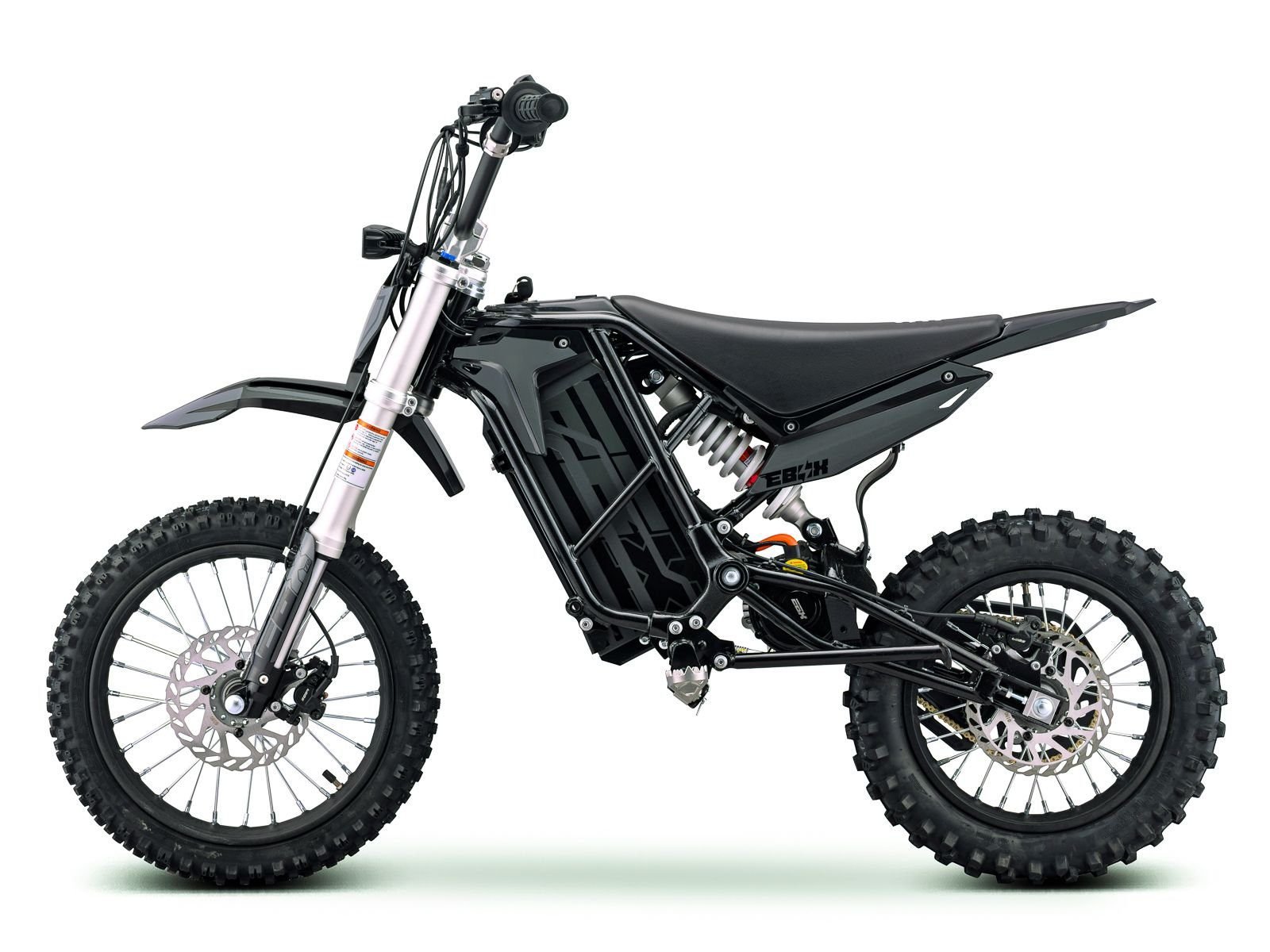
Real-World Comparison: EBOX V3 60 Black vs V3 72RS
Rather than relying on generic claims, here’s a genuine apples-to-apples comparison two bikes on the same V3 platform, same peak power and top speed, differing mainly in voltage and battery capacity.
| Spec | EBOX V3 60 Black | EBOX V3 72RS |
|---|---|---|
| Voltage | 60V | 72V |
| Battery | 18.2Ah (≈1,092 Wh) | 25Ah (≈1,800 Wh) |
| Peak Power | 6.3kW | 6.3kW |
| Top Speed | 55 mph | 55 mph |
| Range | 21–25 miles | 28–31 miles |
| Charge Time | 5–6 hours | Varies by charger |
| Price | $1,788 | $2,299 |
Notice what stayed the same and what changed: peak power and top speed are identical on paper, because both bikes are tuned to the same output ceiling. What the extra voltage and roughly 65% more battery capacity actually buys you is significantly more range (28–31 miles vs 21–25) and, per the underlying electrical principles, likely more consistent power delivery under sustained hard riding since the 72V system draws less current to produce the same power.
Does Higher Voltage Mean Faster?
Not automatically. As the comparison above shows, two bikes can share identical top speed figures at different voltages the controller and motor tuning determine the speed ceiling, not voltage alone. What higher voltage more reliably delivers is headroom: lower current draw at a given power level, which can mean less heat buildup and steadier performance during demanding rides like sustained hill climbs.
Which Should You Choose?
- Choose 60V if: You want strong performance at a lower price point, and 21–25 miles of range comfortably covers your typical ride.
- Choose 72V if: You want more range from the same power ceiling, ride longer sessions, or want the added thermal headroom of lower current draw during sustained hard use.
Example: A rider who does short, intense pit sessions might never notice a difference between the two — both hit the same 55 mph ceiling either way. A rider doing longer trail rides where range matters more would get real, measurable benefit from the 72RS’s roughly 30% longer range on a single charge.
Frequently Asked Questions
Is 72V better than 60V for electric dirt bikes?
Not universally “better” it depends on your priorities. 72V typically offers more range and lower current draw (less heat) at a given power level, but 60V systems remain highly capable and cost less.
Does higher voltage mean a faster top speed?
Not necessarily. Top speed depends on the full drivetrain motor, controller tuning, and gearing not voltage alone. Two bikes can share an identical top speed at different voltages, as shown in our V3 60 Black vs V3 72RS comparison above.
Why are electric dirt bikes moving to 72V and higher?
Higher voltage systems can deliver the same power with less current, reducing heat buildup and voltage sag during hard acceleration allowing for more consistent performance and, often, more usable range from a larger battery pack.
Is a 72V electric dirt bike worth the extra cost?
If range and sustained performance matter most to you, yes. If you’re budget-conscious and don’t need the extra range, a well-built 60V system like the V3 60 Black still delivers the same peak power and top speed for less money.
Does voltage affect battery life or charging time?
Charging time depends more on charger amperage and battery capacity (Ah) than voltage alone. Higher-capacity batteries generally take longer to fully charge, regardless of voltage.
Can I upgrade a 60V electric dirt bike to 72V?
Voltage upgrades typically require replacing the battery, controller, and sometimes the motor to match it’s a significant modification, not a simple swap. Contact us before attempting any voltage-related modifications.
The Bottom Line
The 60V vs 72V electric dirt bike decision isn’t about one voltage being universally superior — it’s about matching the system to your riding style. Our own V3 60 Black and V3 72RS prove the point: identical peak power, identical top speed, with the real difference showing up in range and sustained-performance headroom. Compare both models side by side to see which voltage tier fits how you actually ride.